The use of vacuum systems in industries is surprisingly important in other areas other than the obvious ones. These systems generate low pressure or suction forces that can carry out special processes, enhance efficiency, and quality in the production and operations. These are 10 industries that use vacuum systems in their daily activities in ways that many people would not have thought.
Healthcare and Medical Industry
Healthcare facilities cannot do without vacuum systems. Medical suction with the use of vacuum pumps is used in hospitals in surgeries, wound drainage, and dental treatments. Vacuum technology is also applied in laboratories in activities such as vacuum filtration, preparing of samples, and manufacturing of medical devices in a sterile manner. The systems are precise and safe in medical critical applications.
Automotive Industry
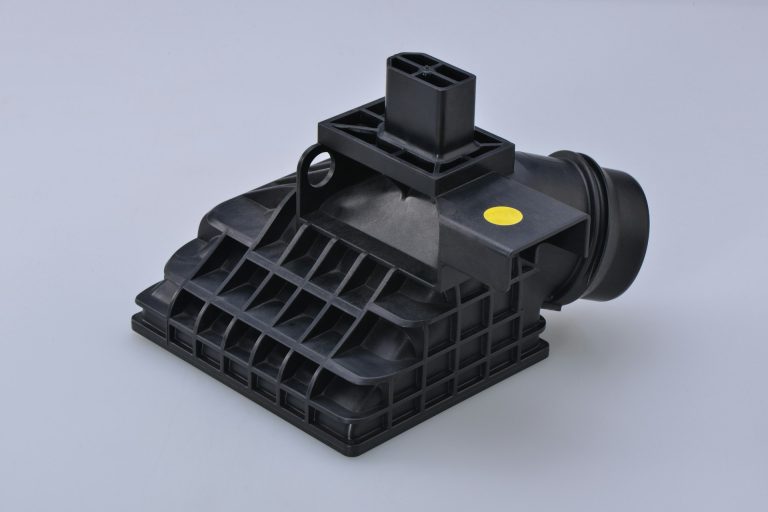
Vacuum pumps have many applications in the automotive industry in the production process and vehicle systems. Vacuum-assisted brake boosters are used to improve the braking performance, whereas vacuum pumps are essential in the removal of air and moisture of air conditioning and refrigeration systems of automobiles. Also, the vacuum molding and coating processes in the automotive manufacturing are based on the use of vacuum systems to shape the components with high accuracy.
Food and Beverage Industry
Vacuum technology is used to lengthen food shelf life and keep them fresh by vacuum packaging which eliminates air to prevent bacterial growth. Another process that uses Vacuum as a preservation process is the Freeze drying process which preserves food without preservatives by freezing and drying it under vacuum conditions. The technologies guarantee the safety and quality of food processing up to packaging.
Chemical and Pharmaceutical Industry
Vacuum systems are fundamental in these industries in regard to distillation, filtration, and vacuum drying. Vacuum pumps can be used to improve the purification and separation of chemical substances by providing controlled low-pressure conditions and gently drying powders and granules, and maintaining their integrity. Safe handling of volatile chemical vapors is also achieved with the use of vacuum pumps.
Semiconductor and Electronics Industry
 Semiconductor and electronic component manufacturing requires ultra-high vacuum conditions in such processes as plasma etching, thin-film deposition, and ion implantation. Vacuum systems offer clean environments, which are needed to create microchips and integrated circuits with accuracy, and which allow the advanced technologies of the current electronics.
Packaging Industry
In addition to packaging food, vacuum systems have found extensive application in the packaging of electronics, textiles and pharmaceuticals. These products are vacuum sealed to ensure that they are not contaminated or moistened to the point that they are inoperable when they arrive. This sector uses vacuum pumps that are dependable to ensure that packaging is maintained during supply chains.
Aerospace and Defense
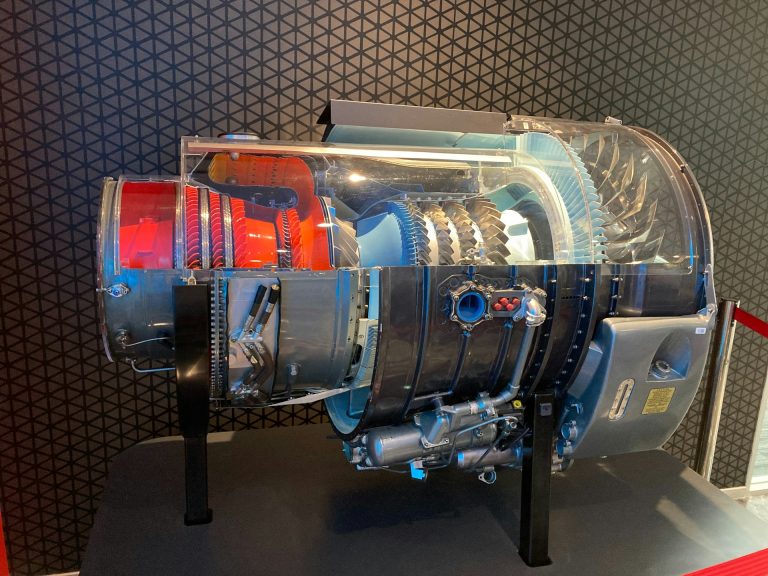
 The vacuum systems are also used in aerospace in the testing of components at simulated high-altitude conditions and also testing of fuel systems and composite materials in a vacuum. The applications make aerospace equipment resistant to extreme conditions, which is a safety and performance factor in air and space travel.
Glass and Ceramics Industry
Vacuum coating is the process of coating the surface of glass with decorative or functional coating e.g. anti-reflective coating and it needs careful vacuum control. Vacuum technology is also applied in ceramics to increase the density of materials and decrease porosity of the material. The outcomes of these processes are quality final products that are better in durability and appearance.
Metallurgy and Materials Science
In the field of metallurgy, vacuum systems are applied in melting metals under vacuum conditions to prevent contamination and form high-purity alloys. Another application of vacuum environment is surface coating in order to add decorative or corrosion-resistant layers to metals. Quality assurance of the materials and uniform production results are guaranteed by the quality of the vacuum pumps.
HVAC and Building Services
Vacuum pumps are used in the context of HVAC systems to remove air and moisture prior to refrigerant charging to have an efficient cooling and heating operation. Central vacuum systems are also common in large buildings that require the application of powerful vacuum pumps to clean and maintain it to enhance hygiene and efficiency in the use of facilities.
These industries show the tremendous and sometimes invisible necessity of vacuum systems in day to day operations and production. In health and food safety to high-tech manufacturing and aerospace testing, the vacuum technology is one of the backbones that allow quality, precision, and innovation in various fields. The acknowledgement of this dependency emphasizes the importance of vacuum systems in the contemporary industrial and commercial life.