Accuracy is essential when it comes to manufacturing and production since it translates into the quality of the products, consistency, and the overall output. A vacuum equipment is an essential tool used in the attainment of this precision in different industries. Vacuum systems eliminate contaminants, suppress oxidation, improve material handling, and allow precise conditions of processes, which in turn have a significant positive impact on the results of products.
Contaminant Removal and Purity Enhancement
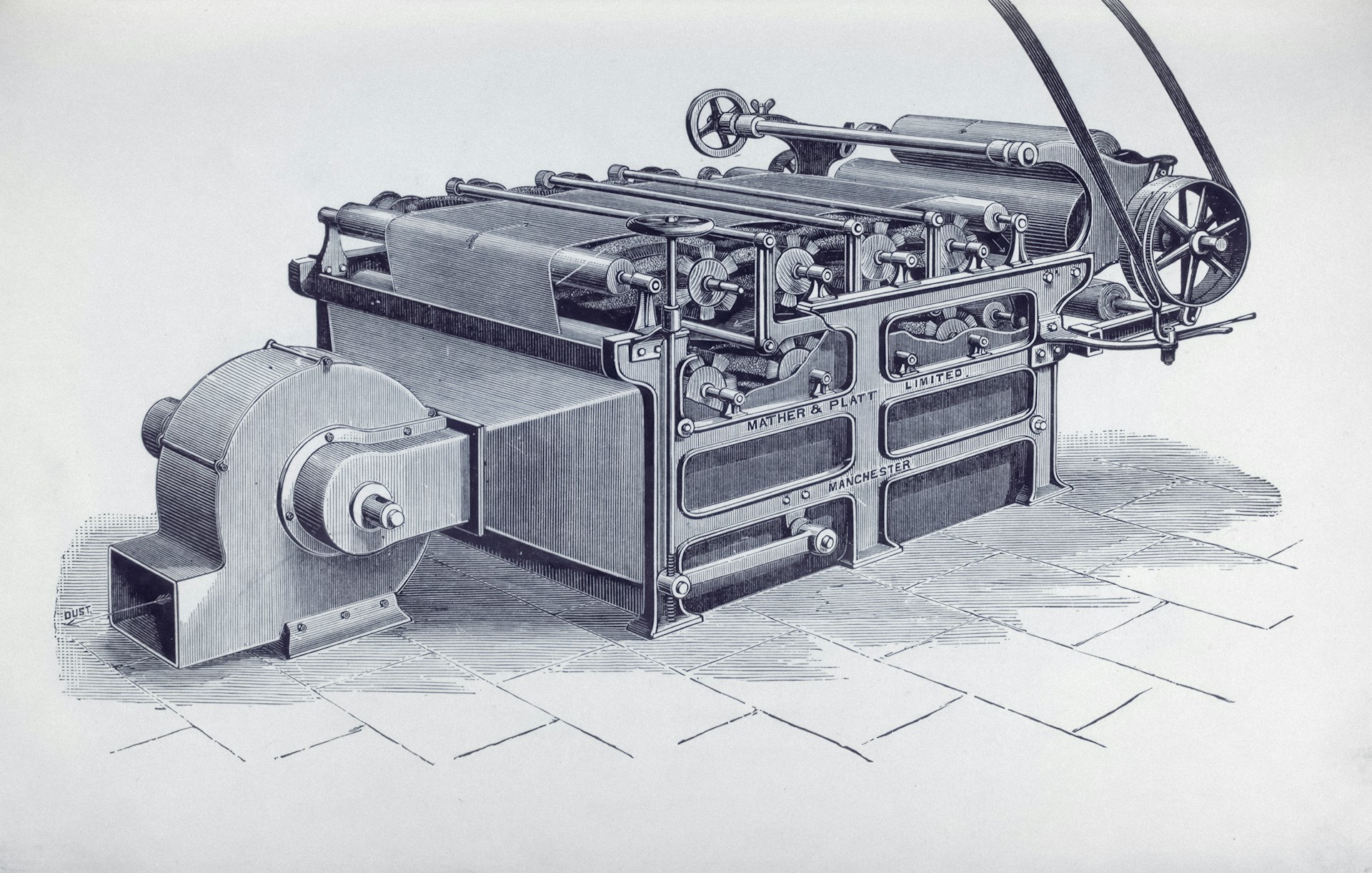 The elimination of unwanted gases, moisture, and contaminants is one of the main ways in which vacuum equipment is used to enhance the quality of the products. One such example is in the chemical and pharmaceutical industries where vacuum pumps are used to create contaminant-free environments that are essential in creating high-quality and pure compounds. Removal of air and impurities inhibit oxidation and degradation, so the integrity of sensitive ingredients is maintained. This pollution control is critical to the requirements of stringent regulations and safety, particularly during sterile production.
Precise Process Control and Consistency
With vacuum equipment, pressure and environmental conditions can be precisely controlled in the manufacturing process. This accuracy reduces process variations like vacuum drying, degassing or wrapping, which lead to uniform quality. As an example, in the food business, vacuum packaging increases the shelf life and maintains the freshness of food by eliminating oxygen that can cause spoilage. Vacuum chambers are used in electronics manufacturing to ensure that the contamination free conditions remain intact which is paramount to the reliability of circuit components. This uniformity minimizes the defects in the products and improves customer satisfaction.
Improving Material Properties and Structural Integrity
 Another effect of vacuum systems on the physical properties of materials is the control over the processing atmosphere. Use In plastic molding and metalworking, the vacuum-assisted techniques eliminate the trapped air and gases to eliminate the occurrence of any vacuity or bubbles, which would compromise the final product. This leads to high-strength, consistent, and highly reliable components of equal density and performance. The same thing applies to metallurgy through vacuum sintering and annealing because it enhances material strength and conductivity by allowing precise heating in a vacuum.
Enhancing Efficiency and Reducing Waste
Vacuum technology increases efficiency in production coupled with quality improvement. Vacuum equipment lowers cycle times and energy usage by allowing drying processes to run faster, improving packaging efficiency, or having cleaner processing areas. This productivity reduces wastage caused by faulty products and this safeguards on resources and enhances sustainability. Industrial vacuum systems that are used in large scale activities maximize the throughput to address the production needs without loss of quality.
Supporting Innovation and Advanced Applications
Cutting-edge applications with ultra-high precision are dependent on modern industries and the application of advanced vacuum technology. Such processes as thin-film deposition and photolithography, which are crucial to the quality of microchips, rely on vacuum conditions in semiconductor manufacturing. Vacuum-based manufacturing steps are used in medical equipment, aerospace, and scientific tools to guarantee performance and reliability. The fact that the vacuum equipment can be adapted to the specific needs of application is an important point that highlights its importance in continuous innovation.
To conclude, vacuum equipment has the basis of preserving and enhancing the product quality through controlling the environmental conditions, eliminating contaminants, precision in the process, and superiority of material properties. The fact that it has been extensively utilized in various industries indicates that precision vacuum technology supports the manufacture of safer, stronger, more reliable, and value-added.