The choice of the appropriate vacuum equipment is important to the efficiency, safety, and cost-effectiveness of the industry, and in many cases, the companies fail in preventable traps that result in poor performance, high maintenance or even traps in safety. Such mistakes are usually due to hasty decisions, inadequate evaluation or failure to see the long term consequences. Having an understanding of such pitfalls, businesses are able to make sound decisions that are consistent with the operational requirements and provide credible outcomes.
Ignoring Application-Specific Requirements
Among the most common mistakes is the inability to align the vacuum equipment with the specifics of the process. Firms tend to choose pumps on general specifications without paying attention to what vacuum levels are needed, e.g. rough vacuum used with simple tasks versus ultra-high vacuum with semiconductors. This imbalance causes operations to be inefficient or unable to attain pressure required hence defective products or failure in processes. Always consider flow rates, pressure ranges and compatibility of materials in advance to make sure that equipment fits the unique conditions of the application.
Underestimating Contaminant and Environmental Challenges
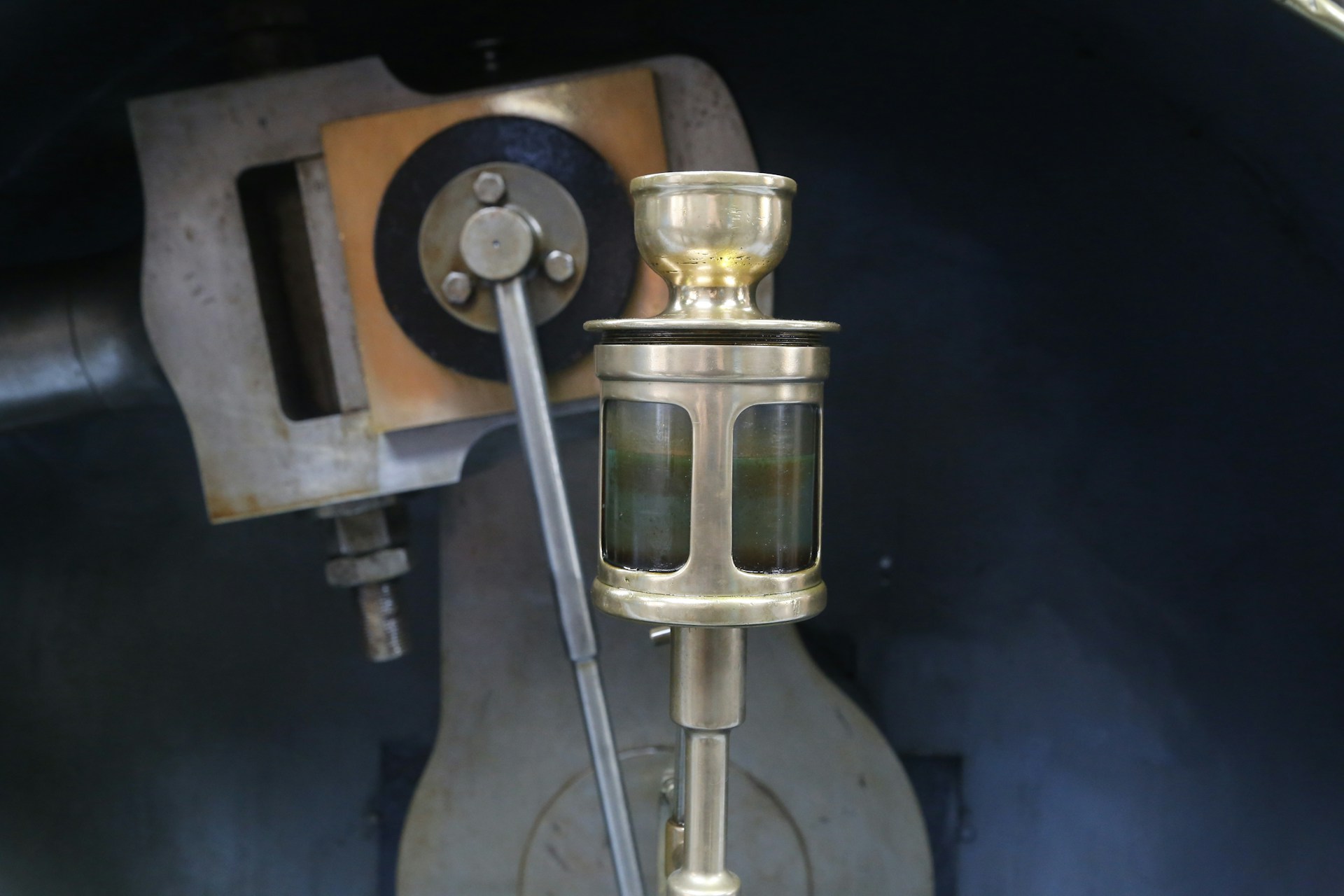 Most tend to ignore the effect of the process contaminants such as dust, chemicals or moisture that will affect the equipment. When oil-based pumps are selected in dirty environments without proper filtration, they degrade very quickly and break easily. Equally, negligence of corrosive gases or explosive atmosphere results in insecure choices that do not have explosion-proof characteristics. Use pumps with inbuilt filtration, dry running pumps or chemical resistant materials to manage the real world conditions and increase equipment life.
Prioritizing Initial Cost Over Total Ownership Expenses
One of the most frequent errors is to concentrate on the cheapest initial price only, ignoring energy efficiency and maintenance requirements, as well as its lifetime. The cheap pumps can either use more power or need frequent repairs, which escalate the real cost in the long run. Small units operate to capacity, whereas large units are non-energy-efficient. Carry out a total cost of ownership review, including efficiency rates, service frequencies, and warranty to pick value-based choices that save money in the long run.
Neglecting Maintenance and Operational Practicalities
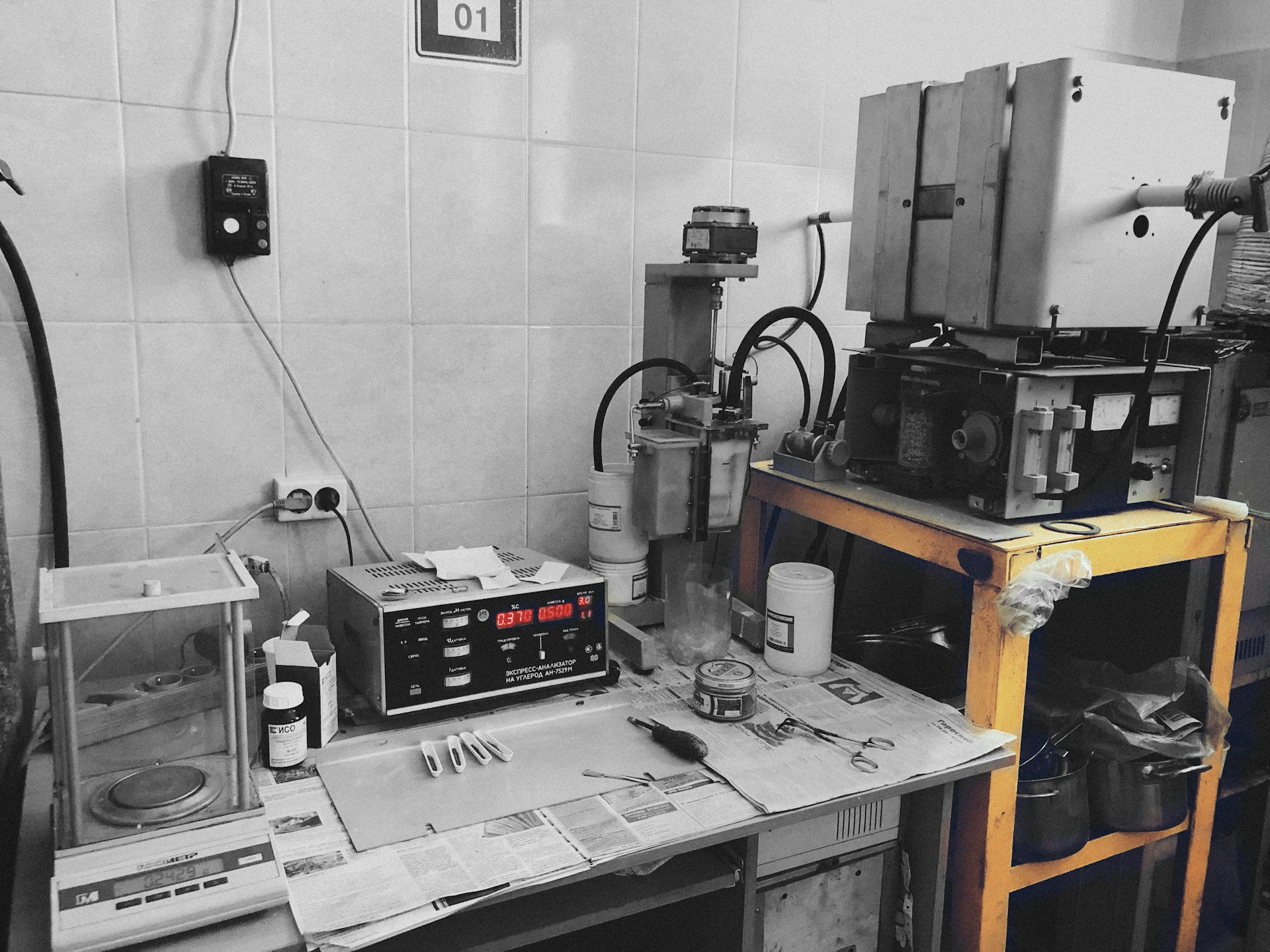 Firms often do not fully appreciate the maintenance that is constant like changing of oil in rotary vane pumps or replacement of filters. Omission of these results in oily oil, shallow vacuum and untimely wear. Bad hose size or too many adapters also constrict flow, slacking the processes. Select models that are easy to use, have sight glasses, simple drains and few fittings and have timetables that are regularly followed to ensure optimum functioning.
Overlooking Noise, Vibration, and Facility Fit
Problems related to noise and vibration come as a surprise even after the installation, particularly in the areas that involve workers. Use of noisy pumps that are not enclosed interferes with operations and contravention of laws. The layouts do not match well, such as heavy units in multi-level facilities, making them difficult to use. Firstly, it is necessary to choose quiet scroll or turbomolecular pumps with anti-vibration mounts, and the space, portability, and ergonomics need to be considered to fit into the workspace perfectly.
Failing to Verify Compliance and Supplier Expertise
It is dangerous to make a rush and buy something without examining the industry standards or the support of the supplier. Failure to comply with equipment attracts fines or closure of regulated industries such as the pharmaceutical industry. Poor training renders the teams incapable of maximizing the system. Combine with established suppliers who can provide demos, compliance certifications and after sales services to reduce these gaps.
The only way out of these traps is to conduct a comprehensive needs evaluation, consult with experts, and do a balanced review. Firms investing time into adequate selection enjoy profitability in terms of reliability, safety, and output and transform vacuum equipment to a strategic asset instead of a costly nightmare.