
Vacuum leak detection is a very important procedure that helps to detect a breach in the vacuum systems that will protect the machinery against performance loss and costly downtime. It keeps the best pressure by identifying leakages, deterring contamination and prolonging equipment life in the manufacturing, semiconductors, aerospace sectors among other industries. Reliability is achieved by proactive detection with proven methods that reduce financial losses that come with failure.
Understanding Vacuum Leaks and Their Risks
 Vacuum leaks can happen when the sealed systems are infiltrated by air or gases through cracks, faulty seals, weldings, or flanges, and this affects the low-pressure environment. This causes decreased efficiency of the vacuum, pumps overheat, processes are contaminated, and components wear off faster. Even small leakages can destroy batches worth millions of dollars in high-stakes projects such as semiconductor fabrication, and in aerospace testing, they endanger safety. Unnoticed leakages increase the cost of energy and cause frequent malfunctions, turning simple problems into serious problems in the operation.
Common Leak Detection Methods
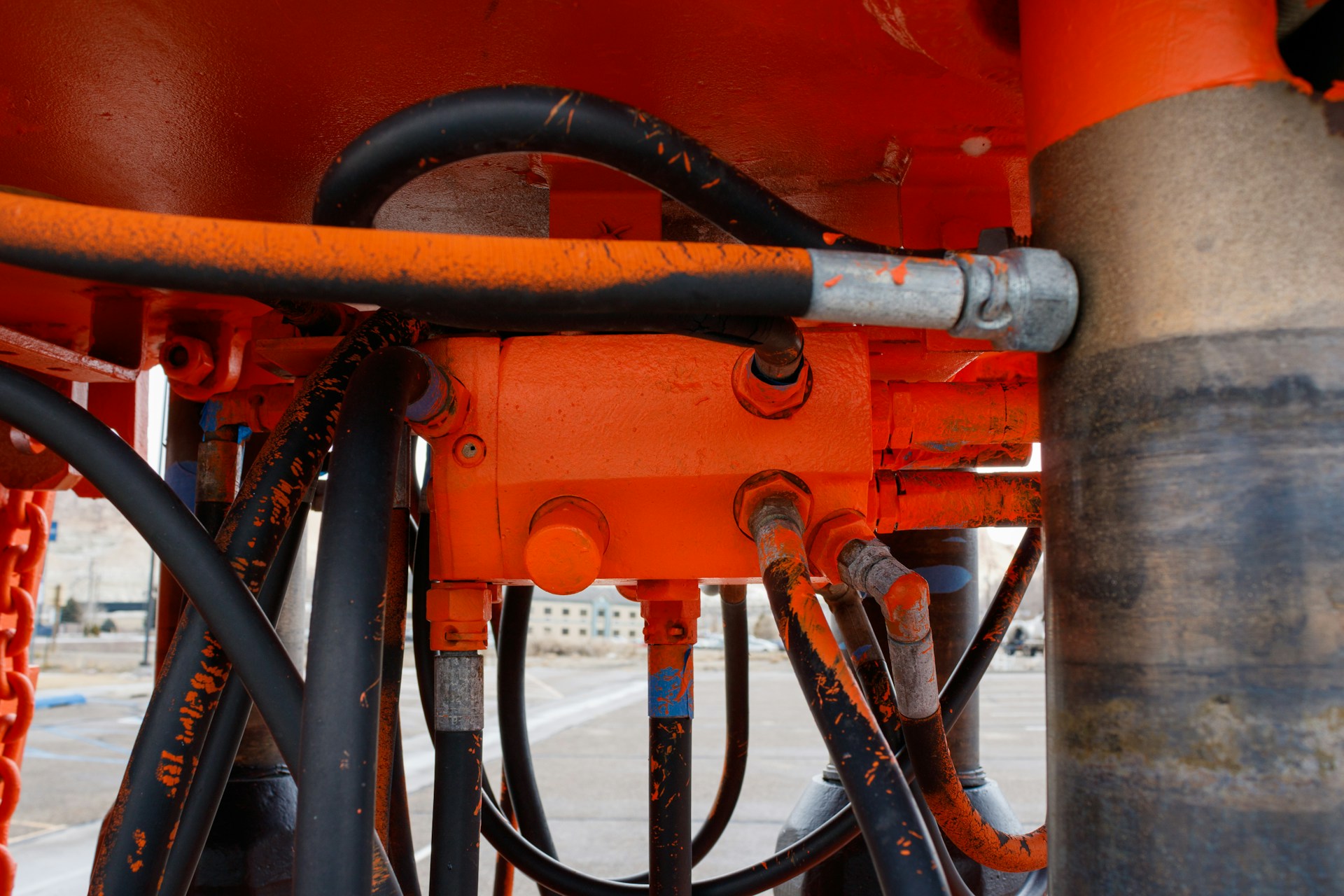 There are several effective methods of leak detection, each of which is applicable to a specific system size and vacuum pressure. Bubble tests put an element into a liquid to identify froth due to low pressure leakages, which is useful in a visual examination in a short time. The tests of pressure rise or decay are used to check the stability of the vacuum over a certain period of time, when the system is isolated, and the gradual increase of pressure in the system can be interpreted as a violation. The most popular is the helium leak detector: in the vacuum mode, helium is sprayed on the outside and a mass spectrometer attached to the system measures ingress; in sniffer mode, the device scans some likely locations on pressurized systems. Escaping gases are detected on high frequency using ultrasonic detectors and specific contaminants are detected internally using residual gas analyzers (RGA).
How Detection Protects Machinery
Leak detection safeguards machines allowing them to be repaired on time without compromising the system integrity. Having helium sprayed regularly on welds and joints helps to avoid pump overloading since the leaks pressurize them to work harder thereby reducing their life. Early identification in vacuum furnaces by sound or solvent tests prevent contamination which distorts metals or destroys finishes. Monitors are automated and combined with real-time alerts controls to enable predictive maintenance to maintain the production lines running efficiently and prevent emergency shutdowns.
Preventing Costly Failures and Downtime
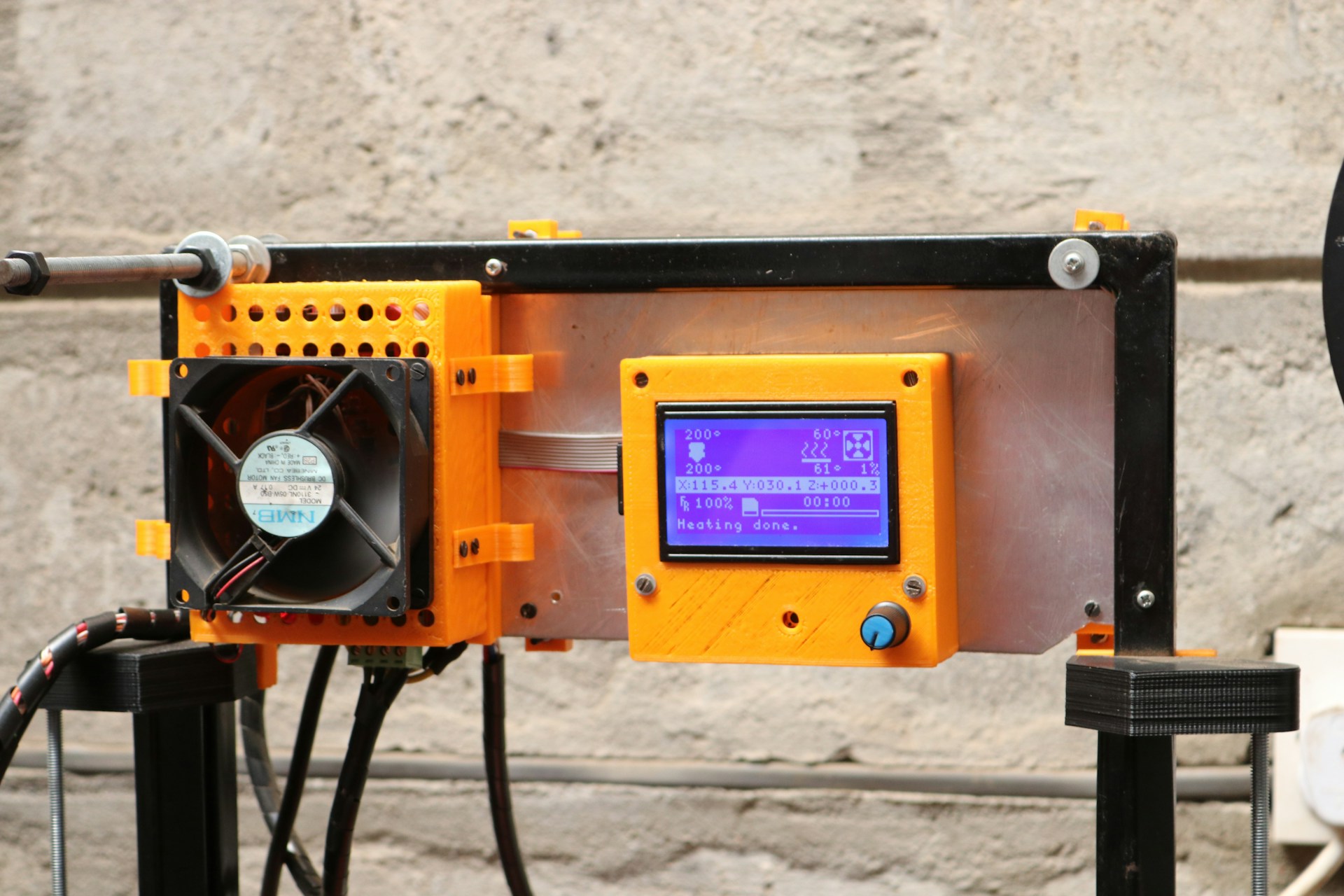 The economic benefit of the leak detection is enormous, since it prevents failures that stall operations. One leakage of a pharmaceutical dryer that goes unnoticed contaminates the sterile products and imposes regulatory fines and recalls. Pump-down tests measure the leak rates, which is used to make repair decisions before it becomes too high. Technicians identify the location of problems quickly by isolating areas or bagging helium-injected areas, reducing days to hours of repair time. Regular checks of industries record up to 30 percent of saving energy and half the cost of maintenance and it is hard to believe that leak detection has become a profit guardian.
Best Practices for Effective Implementation
Scheduling leak tests maximizes the benefit, do it during commissioning, after maintenance and periodically depending on the usage. Train personnel on safety of helium and use of spectrometer, choose methods depending on the range of vacuities: bubble to use in rough vacuities, helium in high vacuities. Integral tests (general leak presence) are combined with local spraying (pinpoint accuracy). Invest in calibrated instruments that are in accordance with standards such as ASME V to achieve consistent performance.
Vacuum leak sensors are a necessary protection that combines straightforward images and advanced sensors to secure resources and maintain a high availability. Those companies that have adopted it do not only avoid disasters but also have a competitive advantage due to reliable and efficient operations.