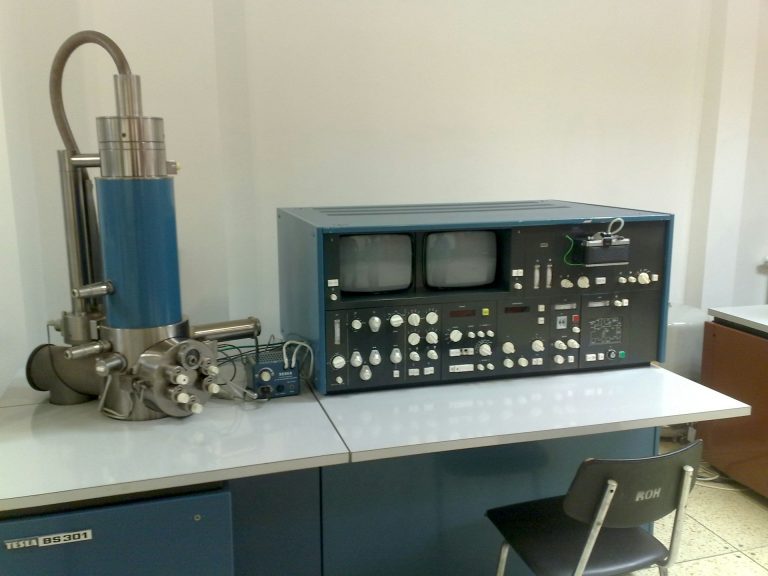
Industrial vacuum systems are mighty devices that are aimed at establishing low-pressure zones or suction to manipulate materials, eliminate contaminants, and have controlled procedures in the manufacturing and other industries. These systems are designed to operate on a heavy duty basis; they have strong components that make them efficient, safe, and reliable unlike the household vacuum cleaners. Knowing their fundamentals will make new entrants not undervalue their contribution to the growth of productivity in industries.
Key Components of Industrial Vacuum Systems
All industrial vacuum systems are based on three main components. The suction is produced by the vacuum unit which is usually driven by an electric motor. A sophisticated filtration grid isolates the dust, debris, or liquids on the air stream by using multi-stage filters and self-cleaning features to keep running. Waste storage and management are handled by the material collection system which is usually a long-lasting steel box or a special tank. Other components are vacuum pumps such as rotary vane, diaphragm, flow control valves, connecting piping, pressure gauges, and safety devices such as explosion panels or antistatic parts.
Types of Industrial Vacuum Systems
 There are industrial vacuums that are available in different configurations to meet special requirements. Central systems are used to connect more workstations to one strong unit using piping networks, which are best suited to large facilities that need continuous suction. Mobile tasks such as spill cleanup are flexible in decentralized or portable units. For sensitive applications, very low pressures are obtained by means of high-vacuum systems, which include roughing pumps and secondary high-vacuum pumps such as turbomolecular models. Wet/dry vacuums are used in both liquid and solid removal and explosion-proof models are used when working in unsafe conditions.
Common Uses in Manufacturing and Beyond
Vacuum systems are also effective in the manufacturing process particularly in handling materials i.e. picking and placing materials in assembly lines using suction cups. They eliminate dust and fumes during machining or sanding and keep the workspaces clean and products of high quality. They are used in food processing as a method of vacuum packaging in order to prolong the shelf life by removing oxygen. In drugs, vacuum drying does not degrade heat-sensitive substances. Others are in the use of resins in composites to de-gas, chemical filtration, and construction cleanup.
Benefits for Efficiency and Safety
Getting Started: Selection and Maintenance Tips
The correct system begins by evaluation of air volume requirements, type of material and vacuum level needed -in millibar or inches of mercury. Airflow ratings should be consulted with manufacturers, and expert help should be sought with custom installations. Newcomers must focus on systems that have easy-to-use controls and monitoring. To maintain it, have your filters checked daily, pumps checked weekly and get a professional service once a year to prevent breakdowns.
The industrial vacuum systems are those that convert the difficult activity into a smooth running process, which is very fundamental in the contemporary industry. Understanding their components, types and uses, beginners can use this technology to enhance safety, quality and productivity in their operations.