
Home renovation is a life-changing process, as it will not only change your lifestyle but will also raise the value of your home. But the journey between idea and its realization is frequently traveled over by complicated choices, unexpected difficulties, and financial constraints. You may be fantasizing about the kitchen of a chef, a spa where you can relax, or you may be reliving the history of your household, preparing is the secret of success. Leaping into action without a roadmap may result in stress and expensive waste of time. Knowing the crucial points to follow prior to swinging the first hammer will make your project a success and produce the outcomes you have in mind.
Setting a Realistic Budget and Scope
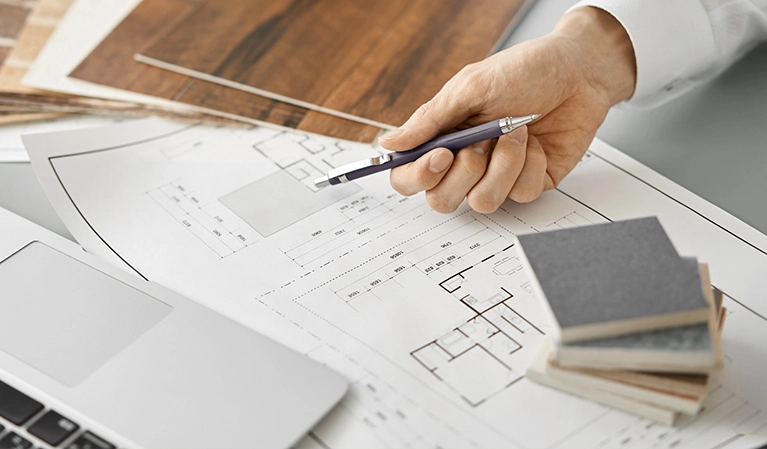
The main trap that can be encountered in remodeling is a lack of connection between wish lists and wallets. It is important to sit down and figure out a firm budget before you contact any professionals. This value must assume a contingency fund- say 10-20 percent- on unforeseen problems such as wiring that is outdated or structural surprises that are common in old houses. When you know your financial limits, then determine your wants that are necessary and those that are nice. This prioritization would assist in deciding quickly in case the costs begin to rise.
It takes the skills of an expert to match your scope with your budget. It is here that the collaboration with a design-build company would be invaluable. To the Louisville homeowners, consulting services with the help of knowledgeable teams such as Vincent Abell Contracting would help in bridging the gap between the dream architecture and the reality of construction. The combination of design and cost estimation also occurs at the same time so that heartache of falling in love with a plan that cannot be afforded does not happen. Professional team may also recommend to you the best renovations that have the highest returns to investment in your particular neighborhood.
Going Through Permits and Timelines
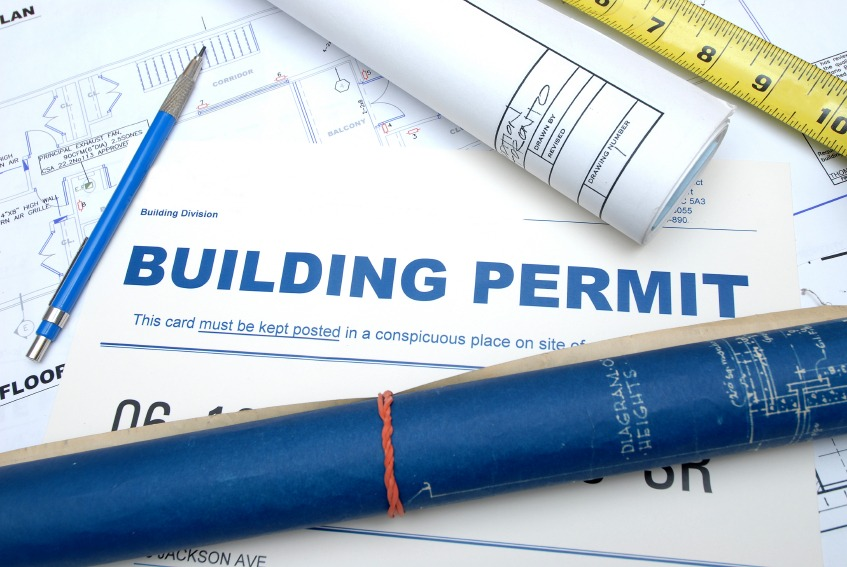
Big renovations do not proceed so fast like those on television. The realistic schedule should take into consideration design refinements, material lead times and the slow nature of the permitting process. All municipalities possess zoning, building codes that indicate what you are able to construct. By trying to go around these permits, you might be fined, your work will be halted and later on, when you are trying to sell your home, it may not be able to do so easily.
This bureaucratic load is pushed off on a reputable general contractor. They know the local requirements, whether you are putting a dormer or a historical facade in place. They also take care of the logistics of the schedule, scheduling plumbers, electricians, and carpenters to ensure the project moves forward effectively without dead time days. They need time; good craft work takes time, particularly when special material or detailing is required.
Living Through the Construction
And lastly, there is the human aspect of remodeling. Construction is loud, uncleanly and obstructive. When you are redesigning a kitchen or a main bathroom, your day-to-day habits will be disrupted. Talk with your contractor about how they will help to stop dust and how they will keep the rest of your home safe. Depending on the most intense stages, you might have to install a provisional kitchenette or even relocate.
Conclusion
A big remodel is an important expenditure of time, money and emotion. You precondition a successful transformation by establishing an attainable budget, hiring more experienced people, who are knowledgeable of the local landscape, and anticipating the destabilization caused by construction. The chaos of renovation fades eventually with the right planning and you are left with a home that perfectly suits your lifestyle and legacy.