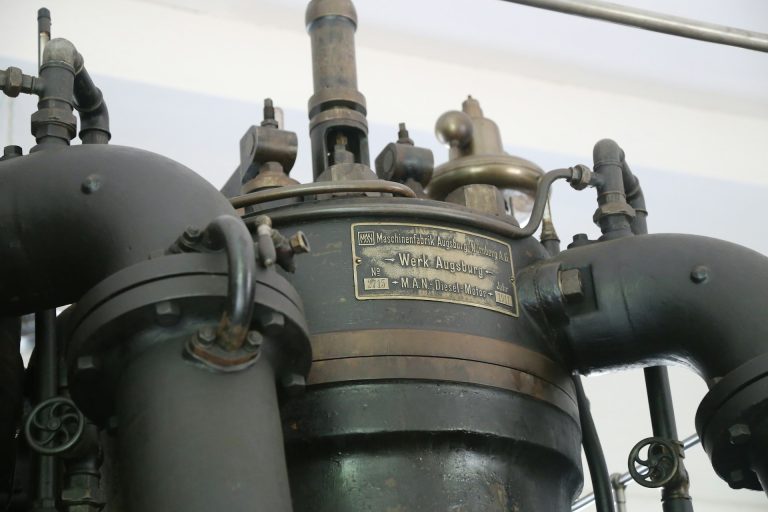
A major change is being experienced on the modern system of vacuum to minimize its environmental impact and increase efficiency and performance. Global industries are using cleaner, more efficient vacuum technologies that are aimed at reducing pollution, saving on resources and meeting the tougher environmental standards. These tendencies predispose the vacuum technology as a major contributor to the sustainable industrial practices.
Shift to Oil-Free and Dry Vacuum Pumps
The most significant change is the emergence of dry vacuum pumps which do not use oil or water. Old-fashioned oil-lubricated pumps usually release polluted liquids that can cause harm to the environment. Conversely, dry vacuum pumps do not use oil and hence no risky fluid disposal and less pollution. This is particularly important in sensitive industries such as the pharmaceutical, semiconductor and food processing sectors where contamination is not desired. The implementation of the dry vacuum technology is in tandem with the international sustainability policies to eliminate waste and minimize contact with chemicals.
Energy Efficiency and Intelligent Controls
One of the areas of environmental impact of vacuum systems is energy consumption. The pumps in the modern world have variable frequency drives and intelligent control algorithms that optimize the speed and pressure of the motor in real time according to demand. This dynamic change reduces energy wastage and thereby reduces greenhouse gases and the cost of operation. Research indicates that the innovations have a potential of saving up to 35 percent of the energy consumption, which helps industries to lower their carbon footprints without compromising on their productivity. Also, the connection of the vacuum systems and IoT platforms allows monitoring energy continuously and making improvements.
Reduced Maintenance and Waste Generation
Not only do the dry vacuum systems reduce pollution, but also reduce the maintenance requirements. The lack of oil to replace or filter saves the companies on the resources used and the environmental cost of disposing of hazardous wastes. The decreased number of moving parts and wear result in the longevity of the pumps and the minimization of repair processes. This longevity will be translated to reduced manufacturing waste and replacement thus making a more sustainable lifecycle of vacuum equipment. Less complex maintenance saves time and resources and contributes to more efficient industrial processes.
Enhanced Contaminant Control and Safety
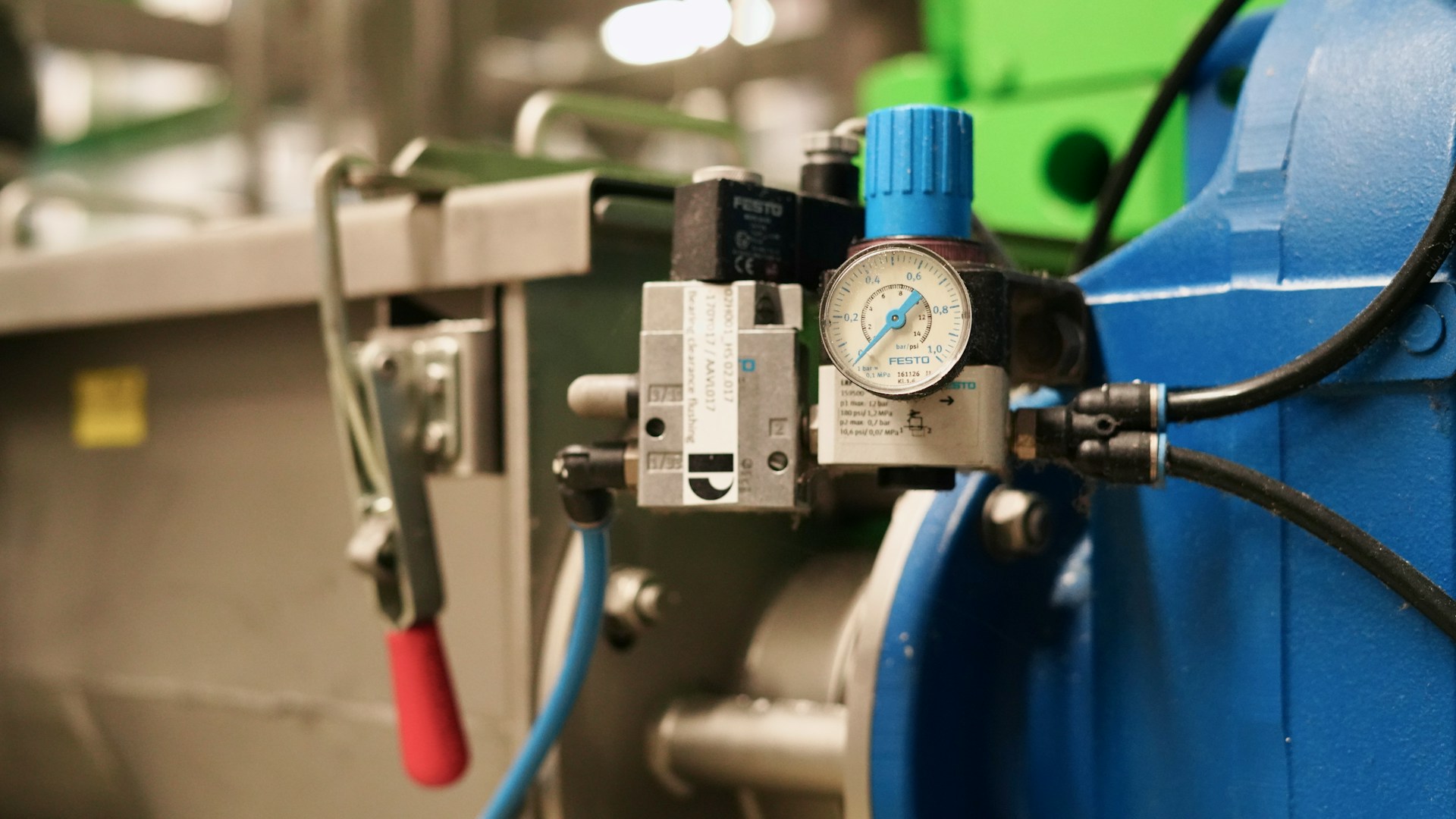 Vacuum systems are critical towards regulating emissions and ecosystems. Vacuum equipment in use like environmental cleanup and in industrial waste management ensures that there are no leakages and spillages of hazardous materials due to the safety of the materials in the vacuum equipment. The filtration is advanced with the combination of the newest vacuum trucks and pollution control systems to trap the particulate matter and toxic gases and reduce air and water pollution. The abilities assist industries to adhere to environmental regulations and protect the health of the people.
Supporting Circular Economy and Resource Conservation
Recycling and resource efficiency is also encouraged by innovative vacuum technology. As an example, valuable materials such as oils, solvents and metals can be recovered and re-used in waste streams via the use of vacuum-assisted separation techniques. Other systems of vacuum incorporate water recycling, water filtering and reusing water that is being used in the cleaning process of industries to save this very important resource. Vacuum technology promotes the spirit of the circular economy by decreasing the need to use raw materials and reducing waste, which improves the sustainability of the entire system.
The Path Forward for Cleaner Vacuum Technology
With the increased environmental awareness around the globe, the manufacturers of vacuum systems are still coming up with more eco-friendly designs. Studies on alternative materials, biodegradable materials and energy extraction through waste heat are also in progress in order to minimize even more the effects on the environment. Additionally, environmental policies across the globe are either promoting or obliging the use of vacuum technologies that are environmentally friendly, and this is speeding up the change of the market. With the emergence of smart vacuum systems that are integrated, the industries find it easier to track environmental indicators and sustainably maintain performance.
Well-developed vacuum systems have ceased to be industrial processing tools but are key facilitators of cleaner, safer, and more sustainable manufacturing. These technologies reduce environmental targets by adopting oil-free designs, energy efficiency, and waste reduction to ensure high standards of operations by industries. The vacuum technology has a promising future that is certainly green and is shifting the industrial environment toward a sustainable environment.