Industrial vacuum systems are dealing with dangerous substances, high pressure, and explosive threats, and the safety is the main concern in order to avoid injuries, explosions, and the breakdown of equipment. The adoption of best practices guarantees the adherence to such standards as ATEX, OSHA, and EN 17348:2022, including the safety of workers and operations.
Personal Protective Equipment (PPE)
 Operators should have the right PPE to wear depending on the task and materials. Critical equipment such as gloves, protective eye wear, ear defenders and filtering masks or respirators is essential particularly when dealing with combustible dust, chemicals or corrosive agents. In the case of explosive environments, anti-static clothing and footwear should be used to avoid the release of static. Periodically check PPE to ensure that it is not damaged and change it when necessary.
Compliance with ATEX and Explosion-Proof Standards
In highly dangerous Zones 0-2 of gases or 20-22 of dust, choose ATEX-certified vacuum systems which are explosion-protected such as grounding, bonding, and special motors. EN 17348:2022 requires internal Zone 20 certification of the vacuum that gathers combustible dust and eliminates any ignition at high concentrations. Carry out risk assessments to categorize areas to make sure that equipment is equal to the minimum ignition energy (MIE) of the dusts being worked with.
Proper System Design and Engineering Controls
Safety-designed systems including fume hoods, cold traps (with liquid nitrogen or dry ice) and HEPA filters that guard against corrosive vapors and elimination of contamination to pumps. Flexible exhaust tubes should be avoided which can block flow, rigid piping should be used with vent to safe exhaust systems. Install pressure relief valves, automatic cutoffs and anti-static elements to prevent risks of implosion, overheating or dust collection.
Safe Handling of Hazardous Materials
Vacuuming of flammable solvents, reactive chemicals, or combustible dusts should not be done without compatible equipment. Install cold traps of the expected vapors size, and watch them regularly to prevent blockages. In the case of oil-lubricated pumps, avoid contamination by toxic substances, and remove contaminated oil. Perform tasks in well-ventilated places, which do not contain enclosed cabinets that trap heat and become fire hazards.
Inspection, Maintenance, and Training Protocols
Emergency Preparedness and Monitoring
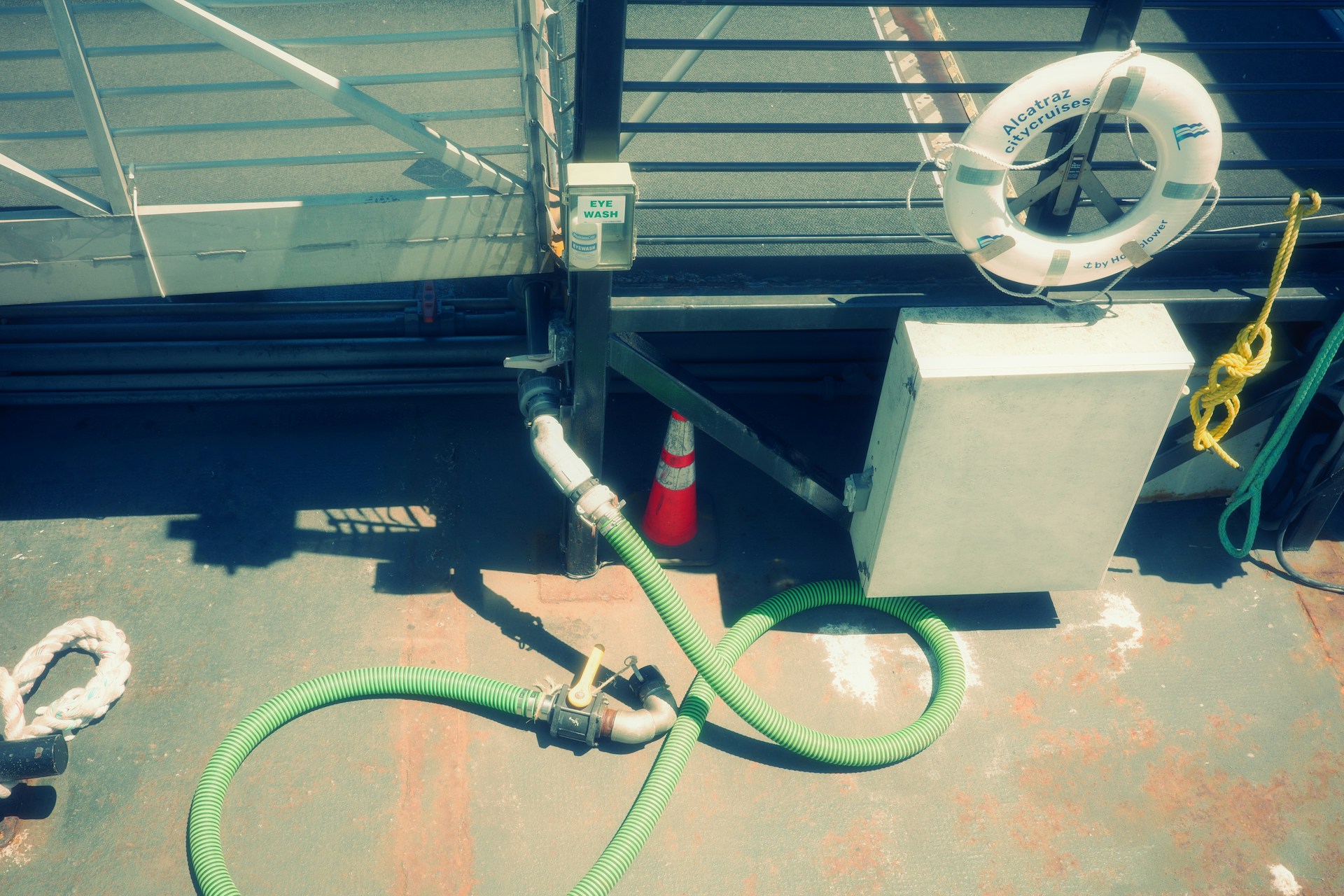
Be familiar with the whereabouts of eyewash stations, safety showers, and the fire extinguishers. Set up written cleaning, maintenance and spill response procedures in explosive atmospheres. Apply real-time pressure, temperature and leak monitoring, and anomaly alarms. Plastic-coated or taped glassware should be used in case of the risk of implosion to hold the debris.
These best safety practices will reduce risks and create a prevention culture. Frequent audits and collaborations with the vendors will guarantee continuous compliance and allow using industrial vacuum systems safely and efficiently.